

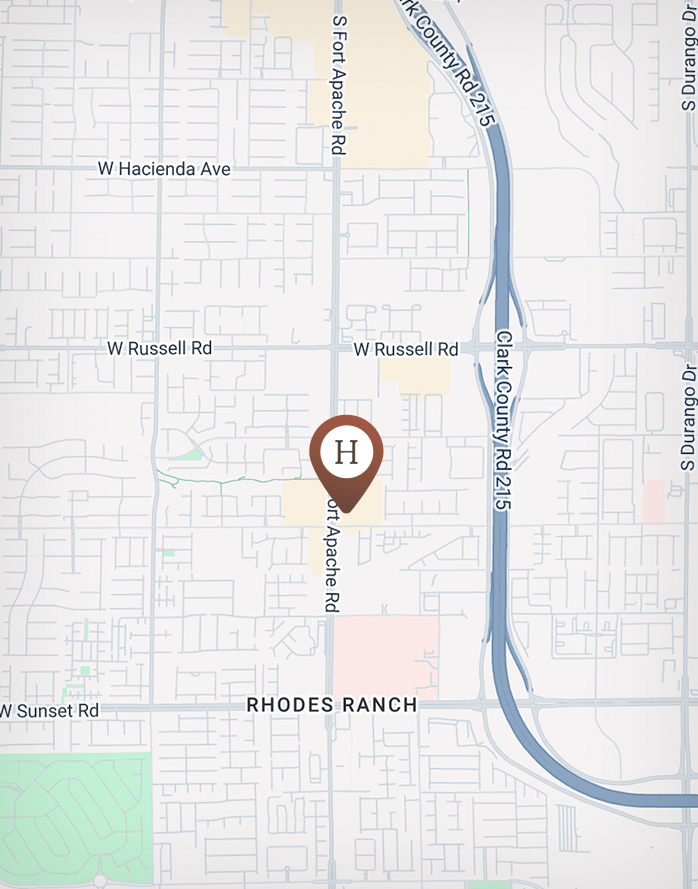
6090 South Fort Apache Road, Suite 120
Las Vegas, NV 89148
Get Directions

INVISALIGN PROCESS OF TREATMENT GIVES LAS VEGAS RESIDENTS AN EFFICIENT OPTION
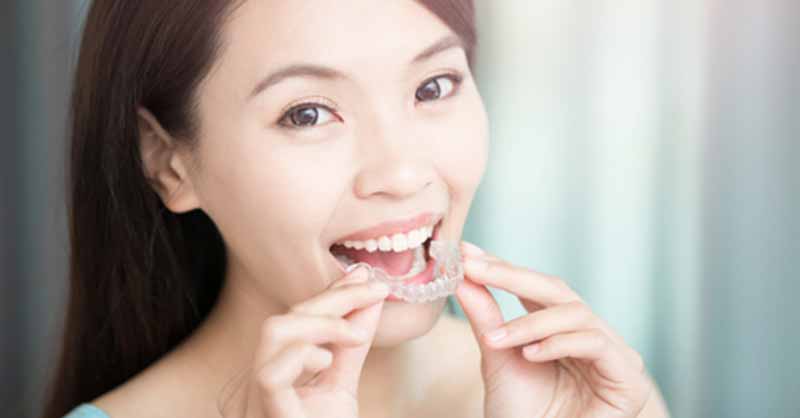
Throughout the Las Vegas area and across the country, teens and adults want to have straighter teeth for more attractive smiles. Yet many are looking for a process of treatment that is more efficient than traditional orthodontics. In this situation, Dr. Christopher Lim may suggest the Invisalign straightening system.
HOW INVISALIGN IS DIFFERENT
Each tooth in your mouth has roots that extend into bone for support of the crown. Tooth positioning is a bit more complex than that, however. Small, stretchy ligaments attach teeth to bone. These ligaments allow a tiny bit of flex, acting as shock absorbers to help avoid breakage when you bite and chew. There is a minute gap between tooth and bone, called the periodontal ligament space.
Conventional braces use a network of bands, brackets, springs, and wires to create force on a tooth, in one direction. This causes ligaments on one side to stretch, while compressing those on the other side of the tooth. When you chew, the body senses multi-directional pressure on teeth indicating normal stabilization. When the prolonged pressure of braces is applied, the body recognizes a need to reposition teeth. This triggers a process called bone remodeling. Your body sends cells called osteoblasts to the tension side, to begin filling in the space with extra bone tissue. Meanwhile osteoclasts are removing bone from the compression side.
Like braces, Invisalign creates mechanical force to stimulate bone remodeling and move teeth. However, rather than from hardware, teeth react to light, continuous pressure from plastic aligners.
It may seem that extra wire tightening or doubling up on rubber band tension – would move teeth faster. However, in addition to causing discomfort and possible long-term root damage, aggressive orthodontic treatment can actually slow down tooth movement. It may result in multiple re-adjustments. In Dr. Lim’s experienced hands, effective tooth movement can be achieved with Invisalign . . . usually in less time than with braces.
AN EFFICIENT TREATMENT PLAN
While each case is unique, an average Invisalign treatment plan takes about a year, and treatment time can be considerably less if only cosmetic adjustments are desired.
However, the patient plays a big role in the time span of treatment. You must wear aligners 20 to 22 hours each day to achieve good results, efficiently. Since aligners are removable, this requires some commitment. However, several aspects of the Invisalign system make compliance easier:
- Clear – Aligners are virtually transparent. Most patients do not mind wearing them because other people often don’t notice the appliances. The hygiene team at Hillside Dental provides guidance on caring for aligners to keep them crystal clear.
- Comfortable – Aligners are fabricated on a 3-D printer from digital impressions of your mouth, for precision fit. The plastic is smooth, with no sharp hardware to irritate mouth tissues.
- Adaptable – You simply remove aligners to eat what you like, and to brush and floss your teeth, then pop aligners back in. There are no diet restrictions or complicated hygiene routines.
- Real time – Because aligners are clear, daily improvement in your smile is visible. You don’t have to wait until braces come off to enjoy results.

We Offer

Managed and Designed By:
